


Why I'm a Friend of Standing Together, by Mailam Eltity
Mailam Eltity is a health worker, born and raised in a Palestinian town in northern Israel. Mailam now lives in Germany, where she is active in Berlin Friends of Standing Together. We republish an interview with her about her activism.
How did you get involved in Friends of Standing Together in Germany?
“I’ve lived in Germany twice: first, at age 18 to study medicine, and then again in 2023, after completing my medical degree and doing my residency training at a hospital in Israel. Being based in Berlin, I joined the FoST WhatsApp group because I liked their message, which gave me a sense of sanity at a time as I was watching what was happening in Gaza and the West Bank, as well as the division, hate and racism around the world, feeling increasingly frustrated, hopeless, and helpless. At first, I was only following their work and was not active myself.
Later, it came to my attention that close to 20,000 patients in Gaza need medical treatment that is not available there, and is not expected to become available anytime soon because of the destruction of the healthcare system. These patients are on WHO waiting lists for medical evacuation, and one of the main factors limiting their access to treatment (often life-saving) is the lack of host countries willing to receive them. Another important barrier is Israel’s restriction of access to treatment in East Jerusalem.
One thing that stood out to me was that Germany had accepted close to no patients from Gaza, even though it had done so in other conflicts and the infrastructure, as well as the willingness of several hospitals and cities, already existed. I decided to write a message in the WhatsApp group addressed to the organizers and activists. At the time, I didn’t know any of them and wasn't sure if anyone would reply. But I felt that a group focused on Israel and Palestine, bringing together Jewish and Palestinian voices in Germany, was exactly the kind of group that could address this issue because it lay at the intersection of Israel, Palestine, and Germany.
After that, I was contacted by several Friends of Standing Together activists, and a working group was started to actively address the humanitarian crisis in Gaza. Since then, I have become increasingly involved, primarily on the topic of humanitarian medical aid in Gaza (we started the Gaza Care Bridge together with another group called “Don’t Look Away”). I also became more active within Friends of Standing Together through organizing, communication, the weekly vigil, and other activities and events.”
How would you describe Friends of Standing Together to someone hearing about it for the first time?
“Friends of Standing Together Germany is a community of activists that started in Berlin and has since grown into a nationwide movement, with local chapters in northern and southern Germany as well as several working groups focusing on different issues. The group brings together people of all ages and backgrounds who share a commitment to peace, equality, and social justice.
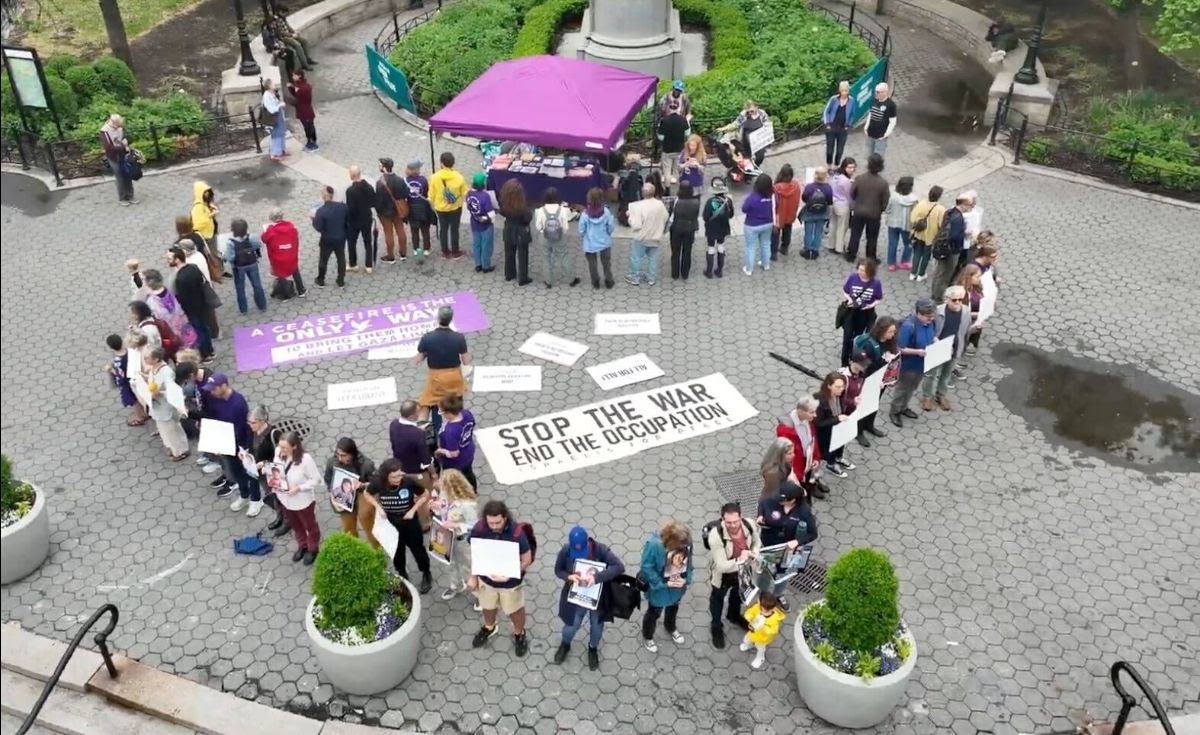
The movement organizes public events, film screenings, discussions, weekly vigils in Berlin and, more recently, in Hamburg, as well as meetings with politicians and political advocacy. The movement also promotes co-resistance and opposes antisemitism, anti-Muslim racism, fascism, division within German society, Germany’s complicity in the war, and the criminalization of the Palestinian liberation movement.
Beyond public activities, we meet every week to discuss ongoing work, plan future actions, and support one another through what are often emotionally difficult times. It is a welcoming community of dedicated activists who genuinely care for each other.”
What has been the most challenging part of being involved in peace work?
“There are periods where the work might become overwhelming. Constant exposure to suffering injustice is not easy, and one may feel that the problems are bigger than anything you can address. There can also be fleeting moments of hopelessness, when it feels like nothing is changing or that everything is moving in the wrong direction. Being involved means confronting the state of the world more directly. In some ways, you lose the option of looking away. But I would still choose that every day over being unaware or living with my head in the sand.
There are also practical challenges. Some days, nothing seems to work. Plans fall through, people cancel at the last minute, and despite the efforts, progress can feel painfully slow or non-existent. Keeping people motivated during those periods is difficult, especially in voluntary work.
Another challenge for me is seeing people and groups that share many of the same values struggle to work together. Sometimes disagreements over language or relatively small differences end up preventing us from reaching the larger goal and being united against the actual enemy. In those moments, activism can feel more performative than practical, when what we need most is unity.”
What’s been the best part?
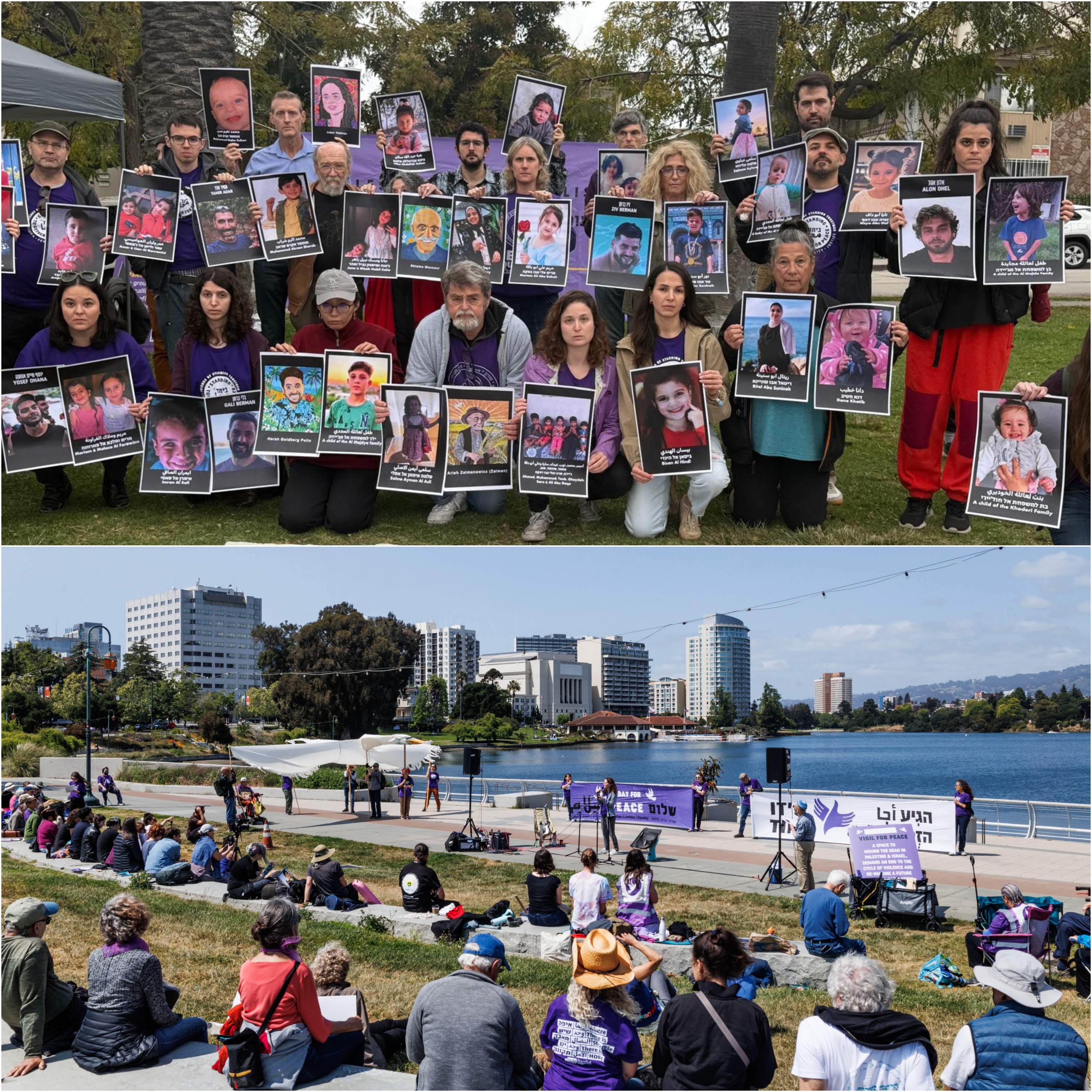
“The best part has been the people. Constantly witnessing war, injustice, and political failures, while at the same time seeing how much indifference and desensitization exist around us, can be exhausting. It can even make one feel isolated. Sometimes it may feel difficult to relate to people or to feel understood.
For me, Friends of Standing Together has been the antidote to that. I’m lucky to be surrounded by people who share similar values, but even more importantly, people who refuse to be dormant in the face of what’s happening in the world. They care. Deeply. And they act. That has done more for my well-being than I expected. It has given a sense of sanity at a time when it can feel like the world has gone crazy.
The activists in Friends of Standing Together Germany genuinely make my day better. There is something deeply reassuring about being around people who stand for equality, justice, and human rights, not just in principle, but in practice. People who give their time, their energy, and themselves, because they believe it’s the right thing to do. I continue to be amazed by how much they manage to accomplish with such modest resources.
Everything we do is voluntary, and I think that contributes to the unique atmosphere. Nobody has to be there. People are there because they want to be. The energy, commitment, and generosity that come with that are difficult to describe. And maybe that is the biggest thing it has given me: it replaces the feeling of helplessness with the feeling that, however small our contribution may be, doing something is always better than doing nothing.”